~ Created by fleet pros, for fleet pros - Your voice of the Industry ~

19 Years in the Upfit World: Fleet Graphics and the Gaps No One Plans For
By: Adam Parrock
National Account Executive | The Fleet Graphics Guy
If you have spent time in the commercial truck world, you already know the upfit process rarely moves in a straight line. Chassis availability changes, bodies and equipment arrive on different schedules, and delivery dates shift, often while customers are asking for clarity long before everything is finalized. Most teams are already managing enough complexity before fleet graphics ever enter the conversation.
When graphics are planned well, they are simply the final step that makes the truck feel finished. When they are not, they quietly become the thing that slows everything down, even though no one intended for that to happen.
I have spent years working alongside fleet managers, upfitters, leasing companies, and operations teams, and the issues I see are rarely caused by poor execution. More often, they happen because graphics are introduced too late in a process that is already moving. Artwork is not finalized, timelines are tight, and installation logistics have not been fully thought through.
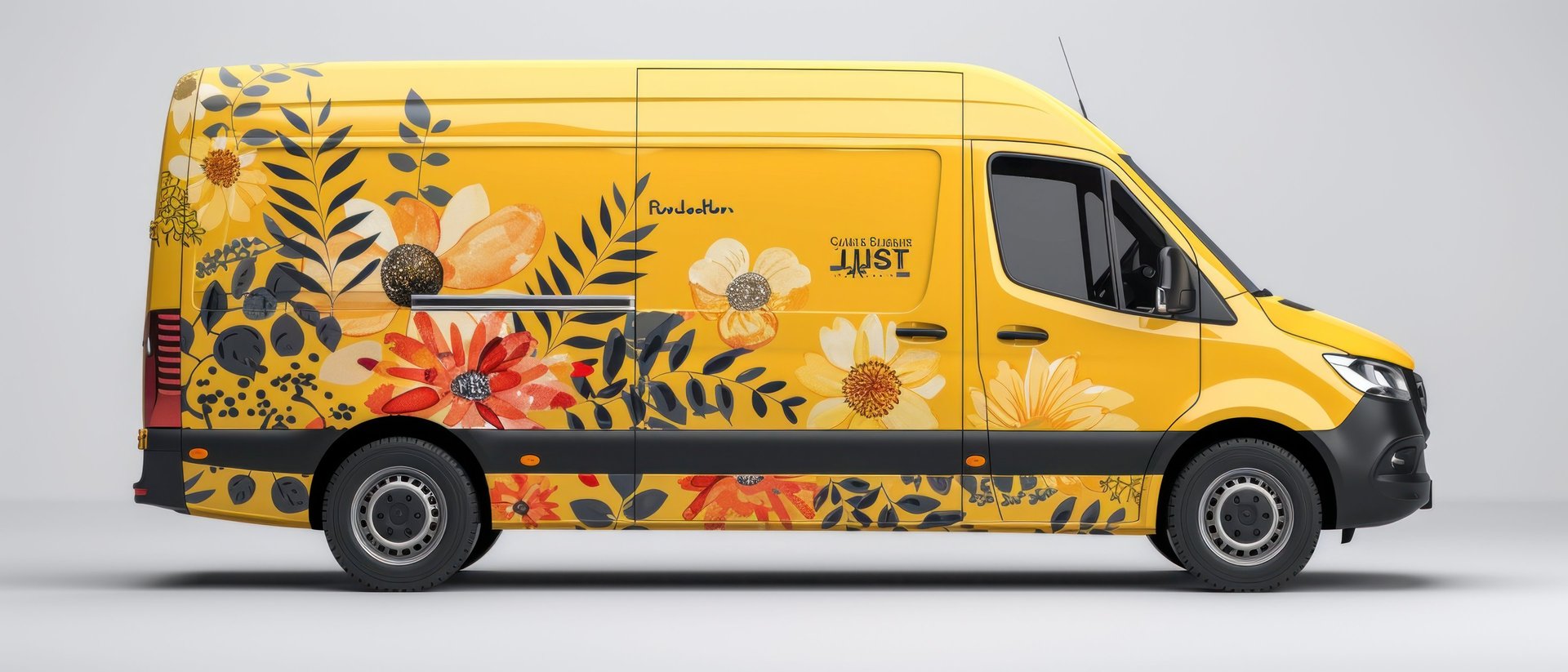
Once a truck is ordered and the upfit is underway, graphics are often asked to fit into whatever window is left. That usually leads to rushed production, reactive installs, and misaligned expectations. Involving your graphics partner earlier changes that dynamic. Even when branding is already established, aligning timelines at the order stage creates space to talk through ship-to locations, body variations, equipment placement, and installation sequencing before those details become problems.
Another common breakdown is the lack of coordination between graphics and the upfit itself. Graphics are sometimes designed from preliminary specs that do not reflect the final build. Small changes, such as added ladder racks, different door configurations, or equipment placement shifts, can have a real impact on layout and install. When those changes are discovered late, rework becomes unavoidable.
The fleets that experience fewer issues tend to treat graphics as part of the build rather than an afterthought. That means communication between the upfitter and the graphics provider, confirmation of final specs before printing, and working with a partner who understands how commercial vehicles are actually built and used.
Installation becomes another pressure point once fleets move beyond a single region. Local installs can work when everything stays close, but once trucks ship across multiple states, the lack of a clear strategy shows up quickly. I have seen brand-new units arrive at job sites or branch locations with no install plan in place, leaving trucks either running unbranded or sitting idle.
A national fleet requires a national installation approach. That usually means working with a partner who has a vetted installer network and centralized project management. Consistency matters here, not just in branding, but in install quality, scheduling, and communication across markets.
Visibility is another area where projects often break down. Once a rollout starts, everyone needs answers. Fleet wants to track units by VIN. Accounting needs invoice status. Sales wants confirmation units are complete. Photos are requested for internal and customer updates. When the only way to get information is through emails and phone calls, frustration builds quickly.
What I have seen make the biggest difference is centralized visibility. Having a system where teams can see production status, scheduled installs, order details, invoices, and before-and-after photos in one place reduces unnecessary communication and keeps everyone aligned.
Choosing the right graphics partner ties all of this together. There are many capable printers, but fleet graphics in the commercial truck space comes with different demands. Managing large rollouts across multiple states requires experience with scheduling, logistics, and coordination that goes beyond printing.
At the end of the day, fleet graphics are one piece of a much larger operation. When that piece is aligned with the rest of the process, things move smoothly. When it is not, everything feels harder than it needs to be.
The goal is not just a good-looking truck. The goal is a fully built, properly branded vehicle on the road when it is supposed to be.
Let's connect on LinkedIn: https://linkedin.com/adam-parrock
Adam's Bio:
The Fleet Graphics Guy
I’ve worked on every side of fleet graphics, from national accounts to production, installation, and general management. That hands-on experience helps me spot issues early and keep projects moving without surprises.
Most fleet graphics problems aren’t design issues. They’re coordination issues. I simplify the process by acting as a single point of contact and staying involved through completion. If you’re managing fleet graphics across multiple locations and want it to feel simpler, I’m always open to comparing notes.


Connect with us!
info@trucktalku.com
P: 817-875-3695
© 2025. All rights reserved.
T








We proudly endorse our great business partners!